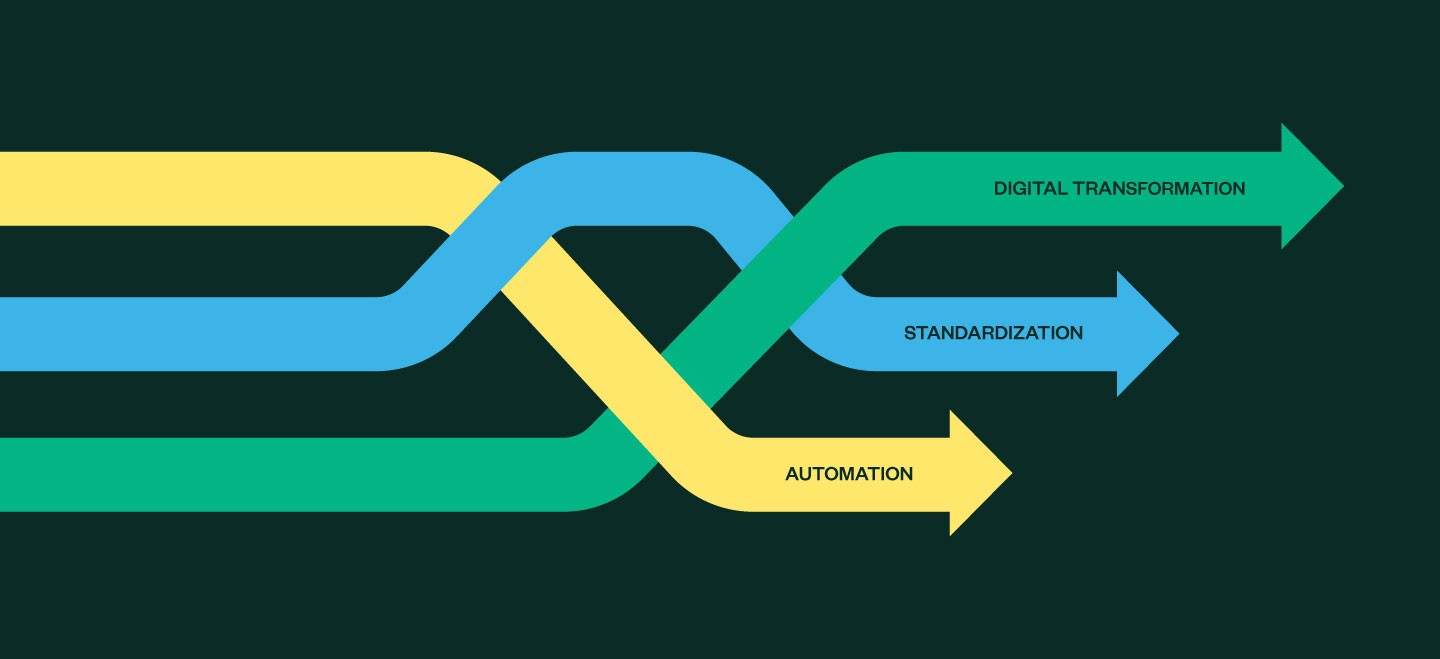
Advancements in embedded computing, sensing and signal processing along with high-efficiency power electronics are rapidly changing the way we produce, transfer and consume energy. Energy is going digital, and the technologies used to control and instrument energy systems are transitioning from analog to digital.
Join us for this four-part webcast series to learn how the digitisation of energy technologies is impacting the industry, how National Instruments is making development investments to enable a successful energy future and how companies are designing their digital energy embedded systems using state-of-the-art tools and technologies.
Experience National Instruments technologies without even having to leave your desk by viewing these UK webcasts on-demand.
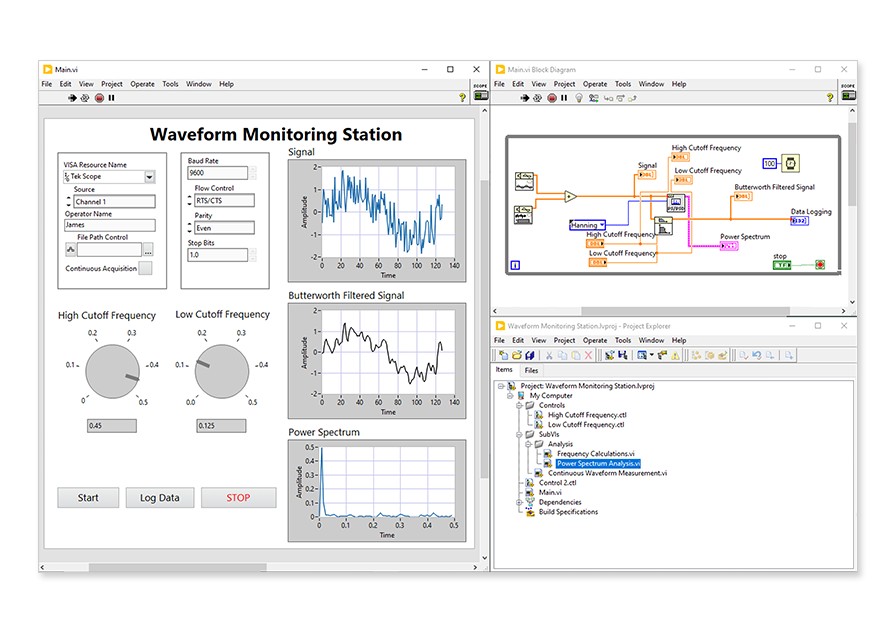
Join us this summer to explore the world of NI LabVIEW and the graphical system design approach through this 12-part webcast series.
Register now
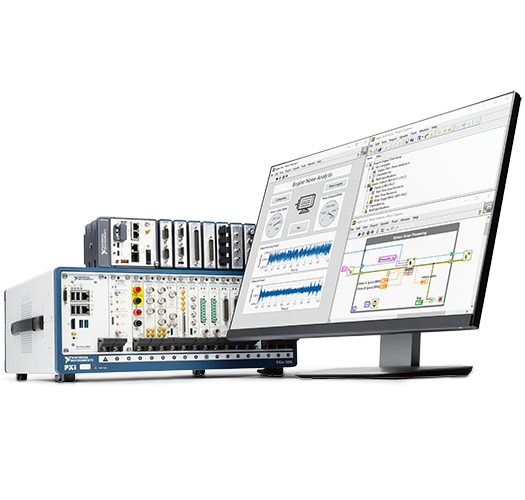
Learn how customers maximise productivity with PXI and graphical system design.
Learn about technologies, techniques, and tips for optimising machine monitoring, energy efficiency, and smart machine design.
Learn the fundamentals of making and optimising RF measurements.
NI provides a wide range of measurement and monitoring tools built on flexible, industry-proven platforms.
Learn useful tips about how to create a prototype for your next project and what tools you can use to save money.
Learn about the latest tools and technologies from NI that enable educators, researchers and students to ‘do engineering’
Learn tips & techniques for developing automated test systems. Explore key technologies, from modular instrumentation to test executive software.
Learn useful tips about how to create a prototype for your next project and what tools you can use to save money and get high-quality products to market fast.
Find out about new robotics technologies and applications being used to create a safer, more efficient environment.
Explore topics around green engineering, and components that will help make your industry more efficient as well as more environmentally and economically friendly.